Warkworth Castle
Henry IV, Part 2Warkworth Castle is presented as the weathered stronghold and household of the Earl of Northumberland, whose illness and isolation make it a focal point for news after the Battle of Shrewsbury. Though the battlefield lies elsewhere, the reports reaching the castle turn it into a place where military defeat becomes personal and political crisis.
Setting and Associations
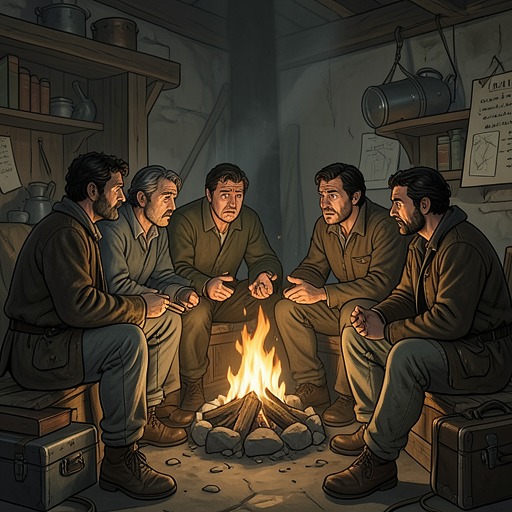
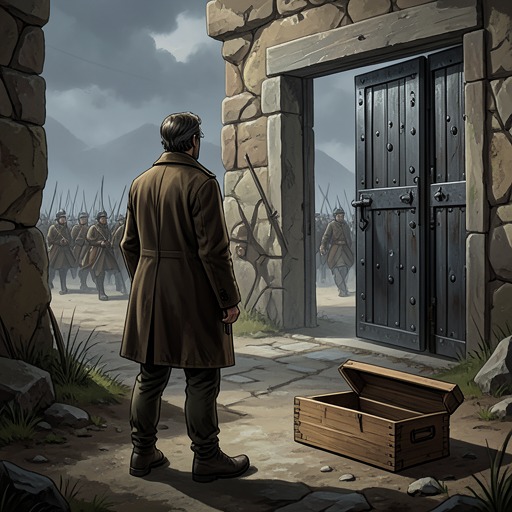
The play introduces Warkworth as a castle before presenting it as a political setting. Rumour describes it as a “worm-eaten hold of ragged stone,” an image that makes the building seem worn and exposed rather than secure. The description is attached to the Earl of Northumberland, Hotspur’s father, who lies “crafty-sick” there while messengers arrive exhausted and bring no consistent news.
The castle’s significance rests on this conjunction of place, illness, and waiting. Northumberland is away from the battle’s decisive action, but Warkworth is not removed from its consequences: it is where the uncertain aftermath gathers around him and his household.
News from Shrewsbury
Rumour presents Warkworth as the endpoint of a journey from the royal battlefield at Shrewsbury, claiming to have carried word of King Henry IV’s victory and Harry Percy’s defeat through the towns between the two places. The account makes distance part of the drama: news has crossed the countryside, but the exhausted posts arriving at the castle have brought no other report to settle what has happened.
The uncertainty is soon sharpened by Morton, who says he ran from Shrewsbury and describes death as having appeared in its ugliest form against Northumberland’s party. His arrival connects the remote household directly to the battlefield’s violence. Warkworth thus receives not merely a military update but news that threatens the family and faction gathered around the absent Hotspur.
Political Memory and Defeat
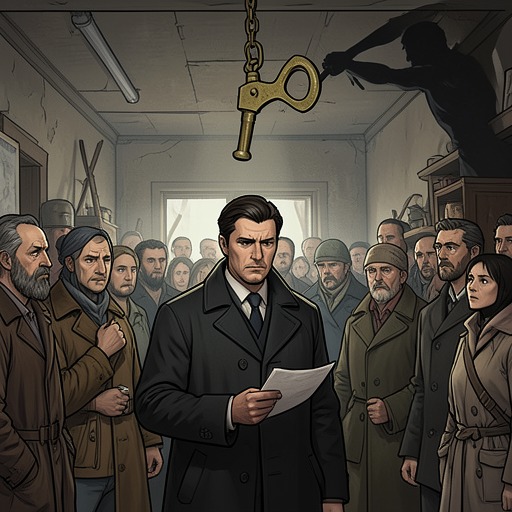
Warkworth’s role extends beyond the immediate reports of battle. Later, Warwick reflects that less than ten years earlier Richard II and the Earl of Northumberland were great friends, before their relationship changed. His observation that every life contains a history that figures the character of past times makes the castle’s present crisis part of a larger pattern: political alliances shift, and yesterday’s intimacy can precede today’s division.
A subsequent report brings the defeat nearer to Northumberland’s cause again: the Earl and Lord Bardolph, with a large force of English and Scots, have been overthrown by the sheriff of Yorkshire. The castle therefore stands in the narrative as a recurring point of reference for rebellion’s reversals. Its worn stone setting and its sick, waiting lord frame a political world in which battlefield outcomes arrive as reports, and old bonds offer no guarantee against present defeat.